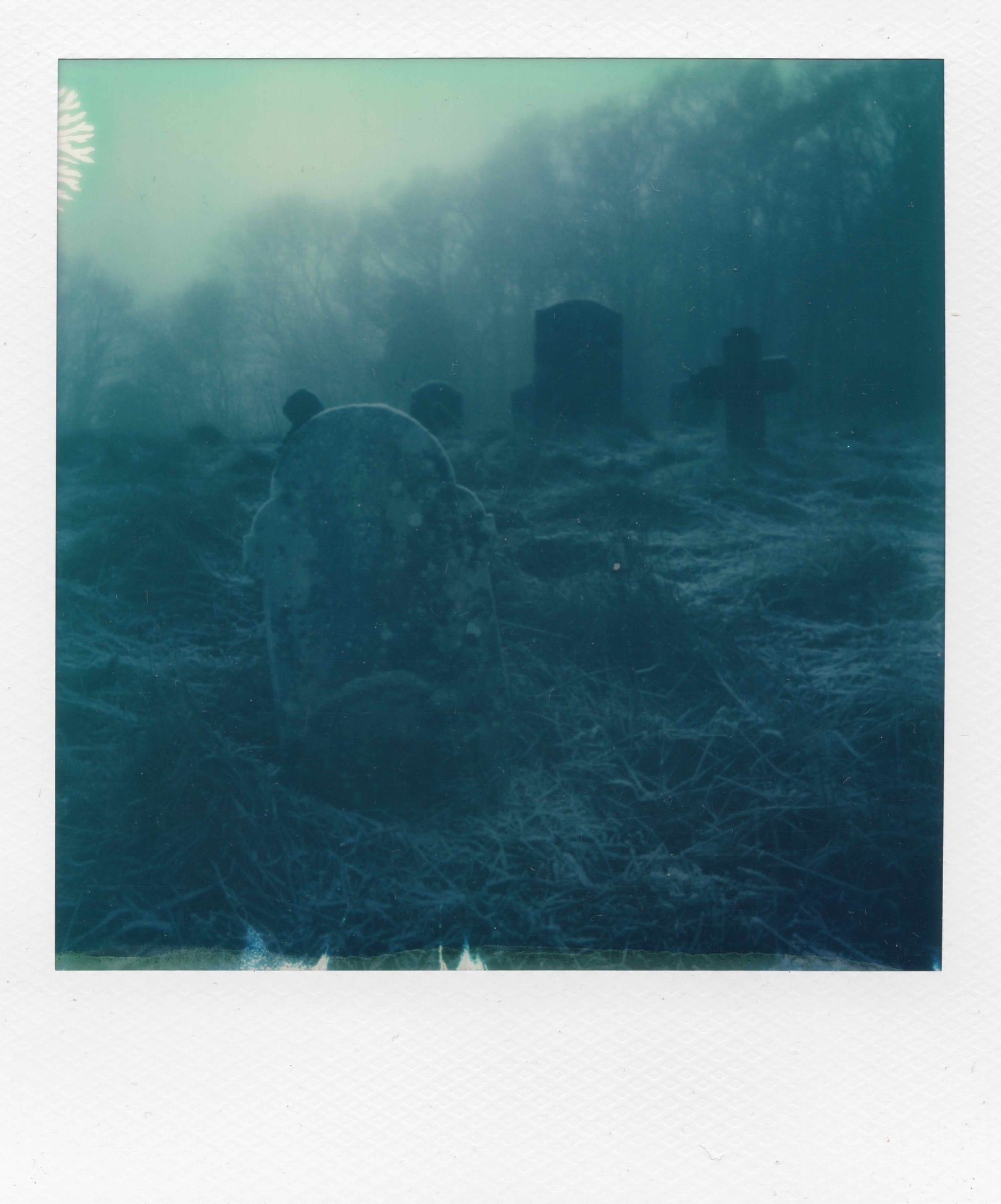
What the Hill Remembers
There is a church on a hill in Worcestershire, and it isn't the oldest thing there.
The church sits up above the village like a watchman — St Mary the Virgin, the present building going back to around 1210, the tower square against the sky. From below it looks like the kind of church painted on chocolate tins. Walk up to it, though, and the hill itself starts speaking before the building does. The slopes don't fall away the way slopes are supposed to. They terrace. The bank on the north side is too straight, too long, too deliberate for any ordinary contour of land.
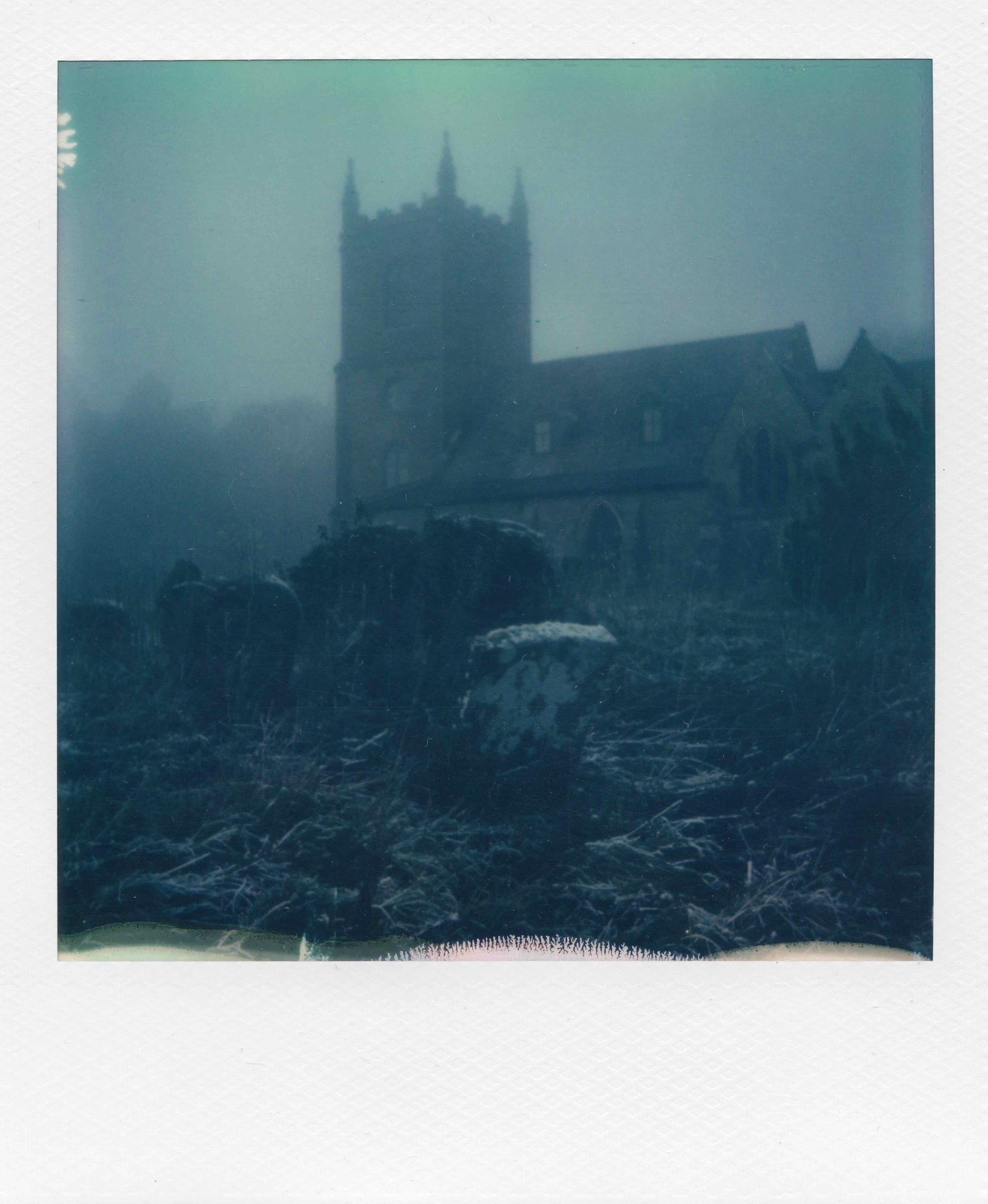
It's the rampart of an Iron Age hillfort. More than two thousand years before any nave was raised here, somebody dug a ditch and threw up a wall around this hilltop and lived behind it. The Worcestershire Archaeology Service have put trial trenches in and turned up the marks of that earlier town. There were people up here, doing the everyday work of being alive, when this country was still called nothing in particular.
And they weren't only on this hill. Across the trees, in the woodland known as Church Coppice, there is another hillfort — a second Iron Age earthwork, less famous, mostly known to walkers on the Hanbury circular. A recent dig in there — Birmingham University, I believe — turned up bones in the trees. Two ramparts side by side: one with a church grown on top of it, the other holding its dead in among the roots.
Then the Romans came, and the coins they dropped on the hilltop say it went on mattering. There is a perfectly plausible theory that when the Empire turned Christian in the fourth century, a small church was raised on this same crown of earth. By 660 AD a charter speaks of the minster at Hanbury. In 836 the Saxon king Wiglaf — King of Mercia — founded a monastery on the site, traced over the old hillfort's outline like a holy palimpsest. The medieval parish church that stands there now is only the latest version — every generation took the layout of the one before and overwrote it.
And it goes on. A few years back, when the National Trust were extending the tearoom at Hanbury Hall — the great house at the foot of the hill — Worcestershire Archaeology came in and found another buried kitchen, a servants' tunnel under the floor, oyster shells, perforated bricks for cider-making, and the bones. Cow, pig, sheep — the leavings of three centuries of feasts the family above wouldn't have remembered eating. Memento mori in miniature: the ribs of a meal someone enjoyed in 1742, indistinguishable now from the ribs of any other thing that has stopped being alive.
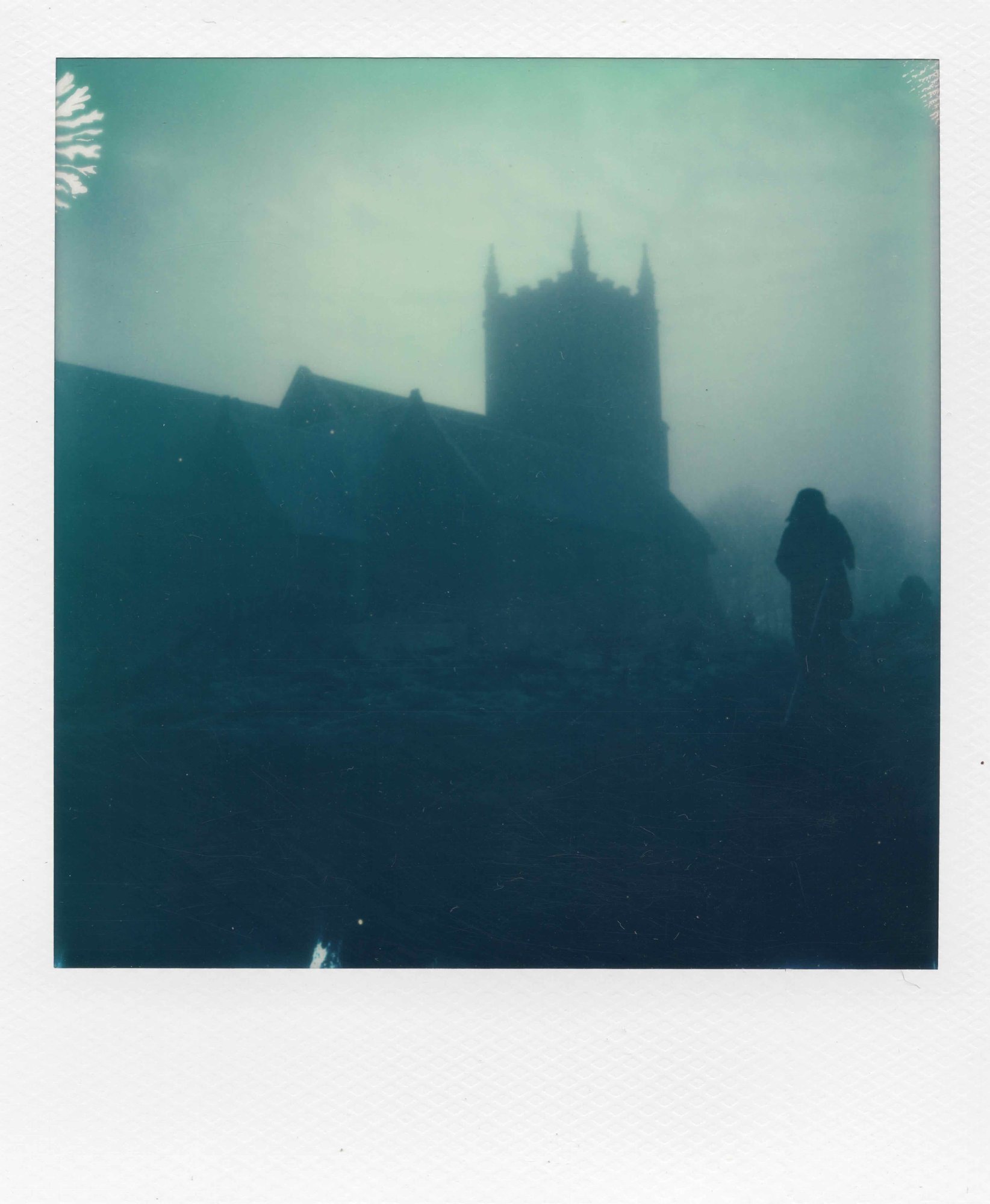
And the dead don't only leave bones. Hanbury has its hauntings on record. The local ghost-books carry a poltergeist inside the church — the kind of unattributed knocking and disturbance that the Victorians used to write down soberly in parish notebooks. The cemetery, set into the hillside, is said to keep its own company too, though no one has properly named them. The most famous Hanbury ghost belongs to neither, strictly speaking: she is Emma Vernon, heiress of Hanbury Hall, who in 1789 ran off with the parish vicar — William Sneyd — in a scandal that broke a marriage and a peerage. Sneyd died in 1793; Emma returned to Hanbury and died here in 1818. She is still said to walk the path between the great house and the church, dressed all in black, taking the route she once took to meet the man she shouldn't have loved.
Stand on a hill like this long enough and the same thought keeps coming back. Most of what we put up — homes, churches, the food on the table — is somebody else's hillfort, somebody else's minster, somebody else's dinner. Stack the layers in your head and they all become one substance: chalk, ash, bone, stone, paper.
Hanbury Hill has been holding all of that, quietly, for about four thousand years. There is no neater memento mori than a hill that has been a town, a temple, a monastery, a church, and a kitchen midden — and is still, beneath the grass, all of those things at once.